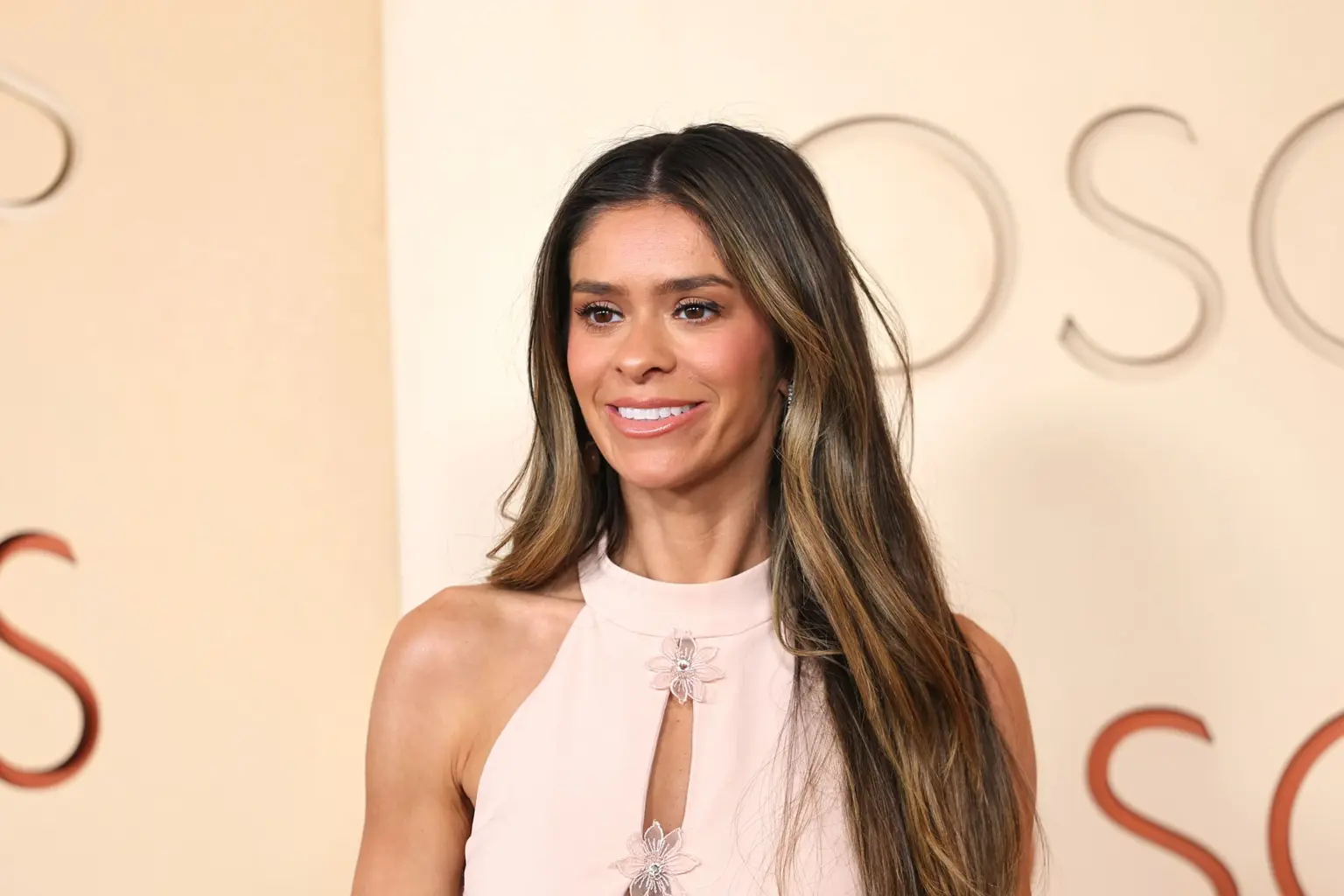
A major development involving influencer and reality TV personality Taylor Frankie Paul has prompted immediate attention after ABC abruptly canceled her upcoming season of The Bachelorette just days before its scheduled premiere.
The decision follows the release of a previously unseen 2023 video that appears to show a physical altercation between Paul and her former partner, Dakota Mortensen. The footage, which surfaced this week, reportedly shows Paul throwing objects during the incident while a child was present. The video is now part of renewed scrutiny surrounding a case that had already led to legal action in 2023.
Shortly after the video became public, ABC and its parent company Disney confirmed they would not move forward with airing the season, which had already been filmed and was set to debut within days. The network stated that the decision was made with a focus on supporting those involved as the situation continues to unfold.

The timing of the cancellation is a key reason the situation is drawing widespread attention. The show had been heavily promoted, and Paul was positioned as a high-profile lead — notably the first Bachelorette star not previously featured within the franchise. Pulling an entire season so close to release is rare and signals the seriousness of the circumstances.
In addition to the cancellation, the situation has had immediate ripple effects across Paul’s other projects. Filming for her reality series The Secret Lives of Mormon Wives has been paused, and at least one brand partnership has reportedly been discontinued.
At the center of the issue is an ongoing domestic assault investigation involving both Paul and Mortensen. Authorities have confirmed that allegations have been made by both parties, and the case remains active. Paul has previously addressed the situation publicly, stating that she has experienced abuse and is taking steps to protect herself and her children, though details remain contested and under review.
Helpful next steps readers often check



For readers, the significance of this development lies in both the legal and professional implications. The case highlights how unresolved legal matters can quickly impact major media projects, particularly when new evidence or information becomes public. It also underscores the level of scrutiny placed on public figures whose personal lives intersect with high-visibility platforms.
In the immediate term, the cancellation halts what would have been a major television release and leaves the future of Paul’s involvement in network programming uncertain. Ongoing investigations may determine whether further legal or professional consequences follow.

Looking ahead, the next developments will likely come from official updates in the investigation, as well as any statements from involved parties or networks. Whether the canceled season will ever air, and how this situation affects Paul’s career long-term, remains unclear.
This is an evolving story, and further confirmed details are expected in the coming days.