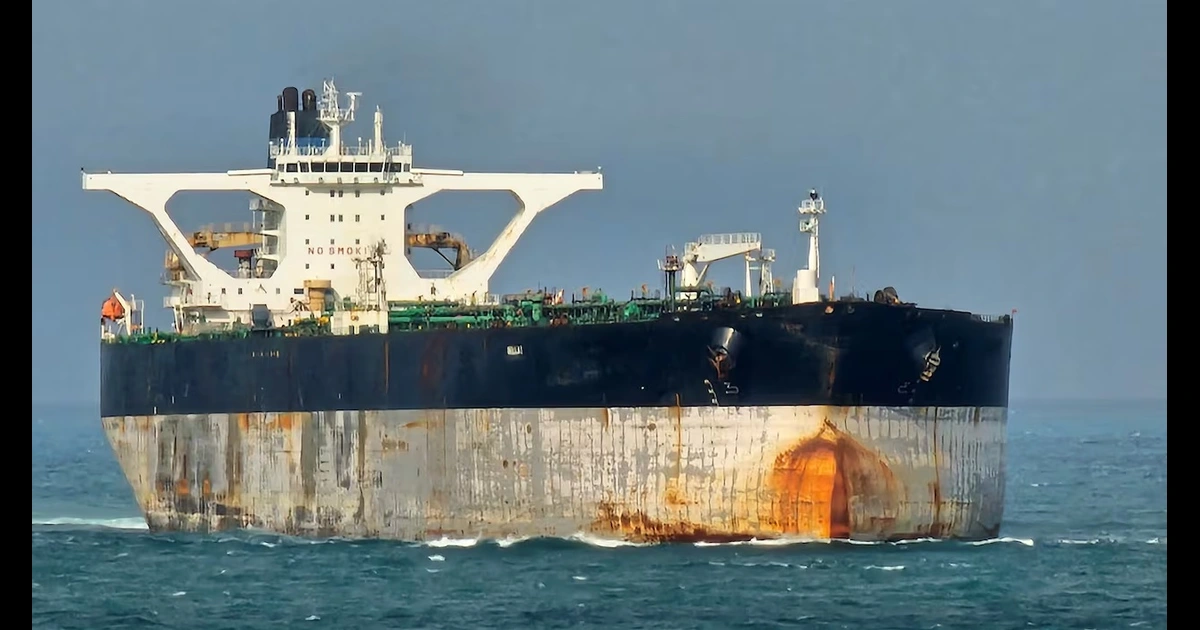
U.S. authorities seized a Russian-flagged oil tanker in the North Atlantic on Wednesday after a weeks-long pursuit, according to U.S. officials. The vessel is now in U.S. custody, officials said, after an operation they described as conducted under a federal court warrant.
U.S. officials said the tanker was targeted in connection with alleged violations of U.S. sanctions and restrictions tied to the movement of oil. Details about the ship’s ownership, cargo, and destination were not fully disclosed in initial public statements, and the U.S. government has not released a complete account of evidence supporting the seizure.

According to U.S. officials, the ship was tracked for weeks as it moved across the Atlantic. U.S. Coast Guard assets monitored the tanker’s route and activity, and officials said the boarding took place while the vessel was operating on the high seas. U.S. authorities said the boarding was supported by additional U.S. military capabilities.
Officials said the pursuit involved multiple attempts to locate and interdict the vessel after it became a priority target for sanctions enforcement. U.S. statements did not specify whether any other countries assisted with the operation, nor did they provide a detailed accounting of the ship’s ports of call during the pursuit.

U.S. officials said the tanker was suspected of involvement in sanctioned oil transport and described it as part of broader enforcement efforts aimed at disrupting revenue streams associated with sanctioned actors. U.S. authorities did not publicly outline all the factors that led to the seizure at this moment, but they said the operation was conducted under legal authority.
If the ship’s cargo is confirmed to be tied to sanctioned oil sales, the case could become a prominent example of how sanctions are enforced beyond U.S. coastal waters. Independent verification of the full cargo chain and business arrangements will depend on court filings and any additional disclosures by officials.
U.S. officials have framed the seizure as a sanctions-enforcement action. The U.S. government has not yet released a comprehensive statement laying out the full evidentiary record or the next procedural steps.
Russian officials, in initial comments, have objected to the seizure and indicated the vessel was operating in international waters. Russia has not provided detailed information about the ship’s cargo or commercial arrangements, and some details remain disputed.
U.S. officials say tracking intensified after the tanker drew sanctions-enforcement attention on its transatlantic route.
Open a public docket searchU.S. Coast Guard assets continued monitoring as the ship moved through the North Atlantic corridor.
Check marine tracking servicesU.S. authorities seized the tanker, citing a federal court warrant and sanctions-related allegations.
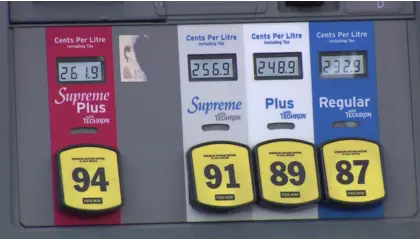
View sanctions compliance guidanceFor most people, any immediate impact is likely to be indirect. Single-vessel actions do not typically shift fuel prices on their own, but energy markets can react to broader signs of escalation or expanded enforcement. Consumers may see effects only if the incident contributes to wider disruptions in shipping, insurance costs, or diplomatic tensions affecting oil flows.
Security-related implications are also largely dependent on what comes next. Officials have not indicated an immediate threat to commercial shipping broadly, but maritime operators often adjust routes and procedures in response to enforcement actions and regional risk assessments.
U.S. authorities are expected to move the case into U.S. legal proceedings, including a review of the vessel, its cargo, and any parties involved in its operation. The ship’s crew status has not been fully detailed publicly, and officials have not said when additional information will be released.
Diplomatic responses may follow as both governments issue statements or file protests. Additional details are expected to emerge through court documents and further briefings, which could clarify the legal basis for the seizure, the ship’s commercial chain, and whether additional enforcement actions are planned.